Castles in Carlow -
Striking Historic Fortresses
 Carlow Castle
Discover striking castles in Carlow, from ruined Norman strongholds to a magnificent historic home, and explore the fascinating stories behind the county's architecture.
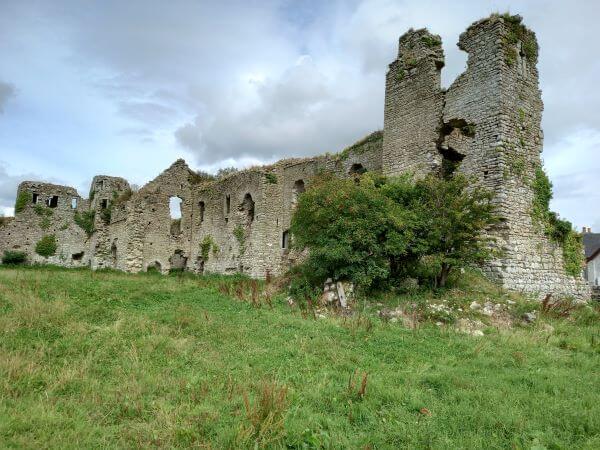
County Carlow is home to eight castles, dating from the 12th to the 17th centuries. Seven of these structures are in ruins, but they continue to attract visitors due to their historical significance and unique architectural features. Years of abandonment show how time has changed these once-strong buildings.
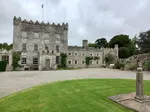
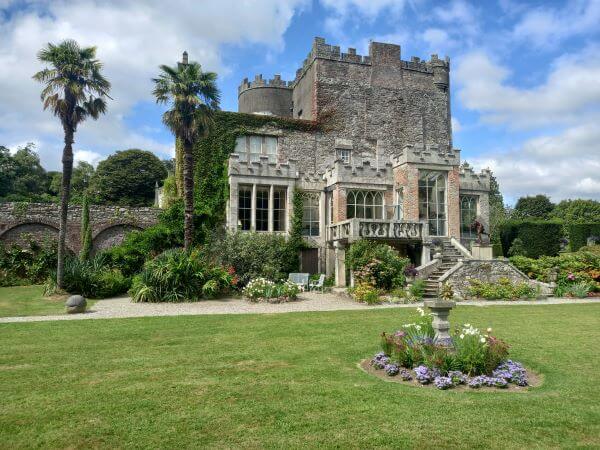
Huntington Castle is the only castle in the county to remain largely intact. It provides a unique opportunity to explore a well-preserved historical building.
Each castle in County Carlow showcases construction techniques from their respective periods. Exploring them, you can only wonder how they were built before the invention of high-tech machinery.
Key sites to explore include Ballyloughan Castle and Carlow Castle. Also, Huntington Castle offers guided tours that provide further information about its history and the family currently residing there, enhancing visitors’ understanding of Carlow’s past.
Insider Tip: You can visit all eight castles in a single day because County Carlow's compact size makes a complete tour entirely achievable!
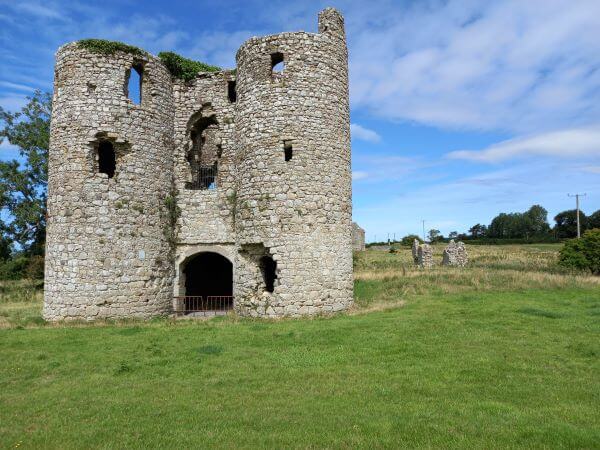
Ballyloughan Castle (Near Bagenalstown)
Standing in a rural field just off a narrow country lane, Ballyloughan Castle dates back to around 1300. Believed to have been built by an Anglo-Norman lord, this historic site originally featured a large, imposing courtyard defended by a towering curtain wall.
Right beside the medieval remains sits the ruined shell of a later 17th-century manor house, offering visitors a fascinating look at two completely different eras of Irish architecture in a single peaceful stop.
Ballymoon Castle (Near Bagenalstown)
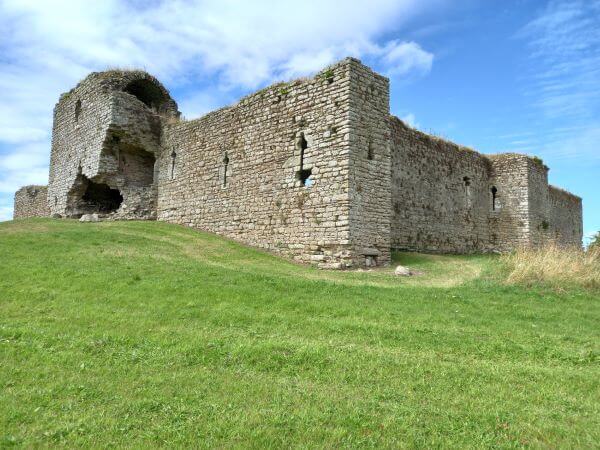
Historians believe Ballymoon Castle was built around 1300 by either Roger Bigod or the Carew family, though its construction was in the end left unfinished. Despite its incomplete state, the imposing ruin remains a striking example of medieval military architecture.
Set in the open countryside, the site features a square courtyard surrounded by massive granite walls, joined by corner towers and a main gate.
Black Castle (Leighlinbridge)
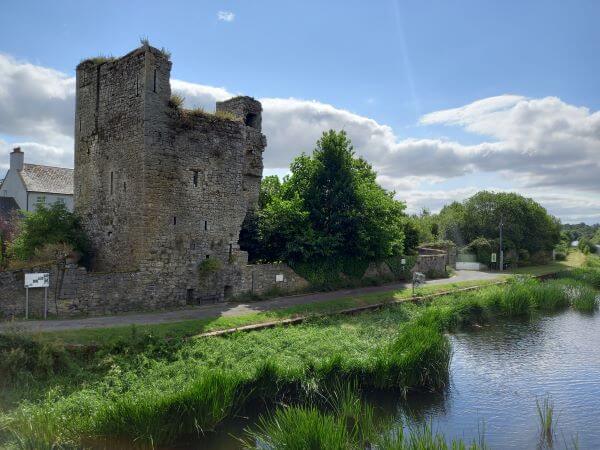
Situated beside the River Barrow in Leighlinbridge, the Black Castle dates back to 1320. The 50 feet high tower and partial wall are all that remain, and unfortunately the ruins are not accessible. In 1650, it was destroyed by Cromwell’s forces.
You can view the stone structure from across the river to see its original defensive position. This spot offered a clear view of the river crossing to help guard the medieval route.
Carlow Castle (Carlow town)
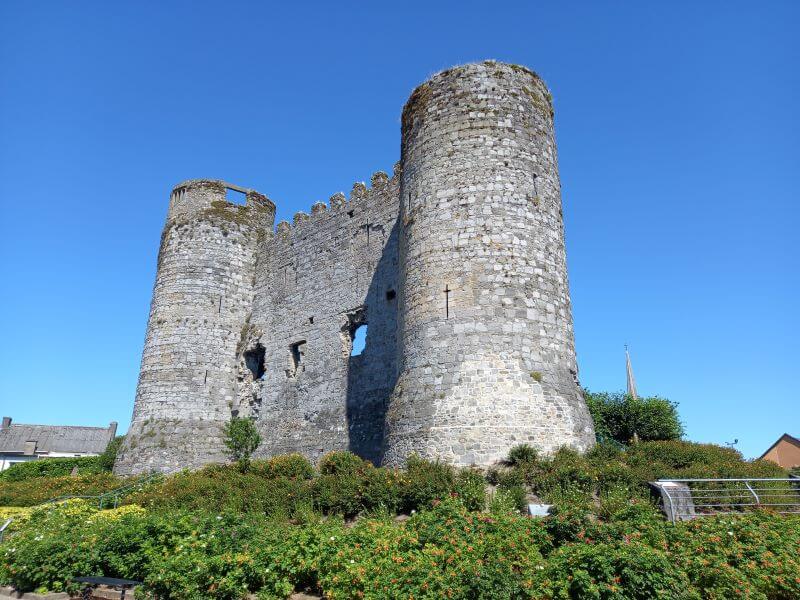
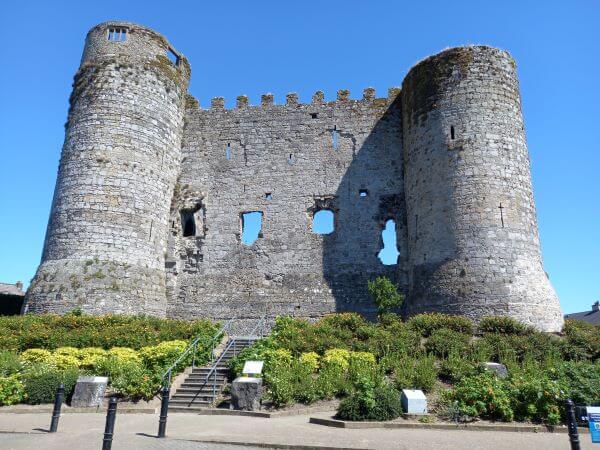
Built in the early 13th century by William Marshall, Carlow Castle sits on a raised site overlooking the meeting of the Rivers Barrow and Burren. Originally, it had four towers each 25 feet thick but only part of the western wall and two towers remain today.
Visitors can easily view the impressive ruins from the town park while walking along the riverbank.
Clonmore Castle (Clonmore)
There’s no record of when or by whom Clonmore Castle was built, but it’s believed to have been constructed near the end of the 12th century and possibly by Hugh DeLacey.
Cromwell’s forces demolished its towers and walls in 1650. The surviving structure features a massive rectangular tower house that retains several original architectural details, including defensive arrow loops.
Huntington Castle (Clonegal)
Built by the Esmondes in 1625, Huntington Castle is the ancestral home of the Durdin-Robertson family. The guided tour features the Temple of the Goddess (founded by Olivia Robertson in 1976) which celebrates the female aspect of divinity.
The gardens have a 500 year old yew walk. This ancient pathway allows visitors to walk beneath a natural canopy shaped over centuries.
Clogrennane Castle (ruins near Carlow town)
Clogrennane Castle was built in the 15th century by Sir Edmund Butler to defend the area along the River Barrow. By 1715, when the estate was purchased by the Rochfort family, the castle was already in ruins. In approximately 1815, Colonel John Staunton Rochfort incorporated the castle's entrance into the construction of a new residence, Clogrennan House.
Descendants of the Rochfort family lived on the estate until they held their final ball there in January 1922, shortly before the property was sold.
- Home
- Castles in Carlow
Other Articles You Might Enjoy:
- Carlow, Ireland Maps to Help You Get Around
- Weather in Carlow, Ireland Today, This Week and By Season
Recent Articles


-
Carlow Castle - The Explosive History Of Ireland's Floating Fortress
Explore the "floating" ruins of Carlow Castle. Discover how a 13th-century Norman stronghold survived 600 years of war only to be blown up by a local doctor. -
Huntington Castle - Brimming with History, Scenery and Superb Gardens
 Explore highlights of Huntington Castle such as the Dining Room with its Bedouin tent hangings and the marriage chest (Cassone) in the Tapestry Room.
 -
Weather in Carlow, Ireland Today, This Week and By Season
 Want to know the weather in Carlow, Ireland? We have the forecast for today, this week and what to expect for each season that you might visit.
 -
Carlow, Ireland Maps to Help You Get Around
 Looking for Carlow, Ireland maps to plan your vacation or just explore virtually? You have more options than you may realise.
 -
The Nurney Cross - A Stone High Cross
Standing at a slope in a field behind a church, the Nurney Cross is made of granite and was probably used as a meeting point for religious ceremonies.